Heritage · 7 min read
The Cultural Story of Fulani Braids
A centuries-old visual language from West Africa — and what to know before wearing it with care and respect.
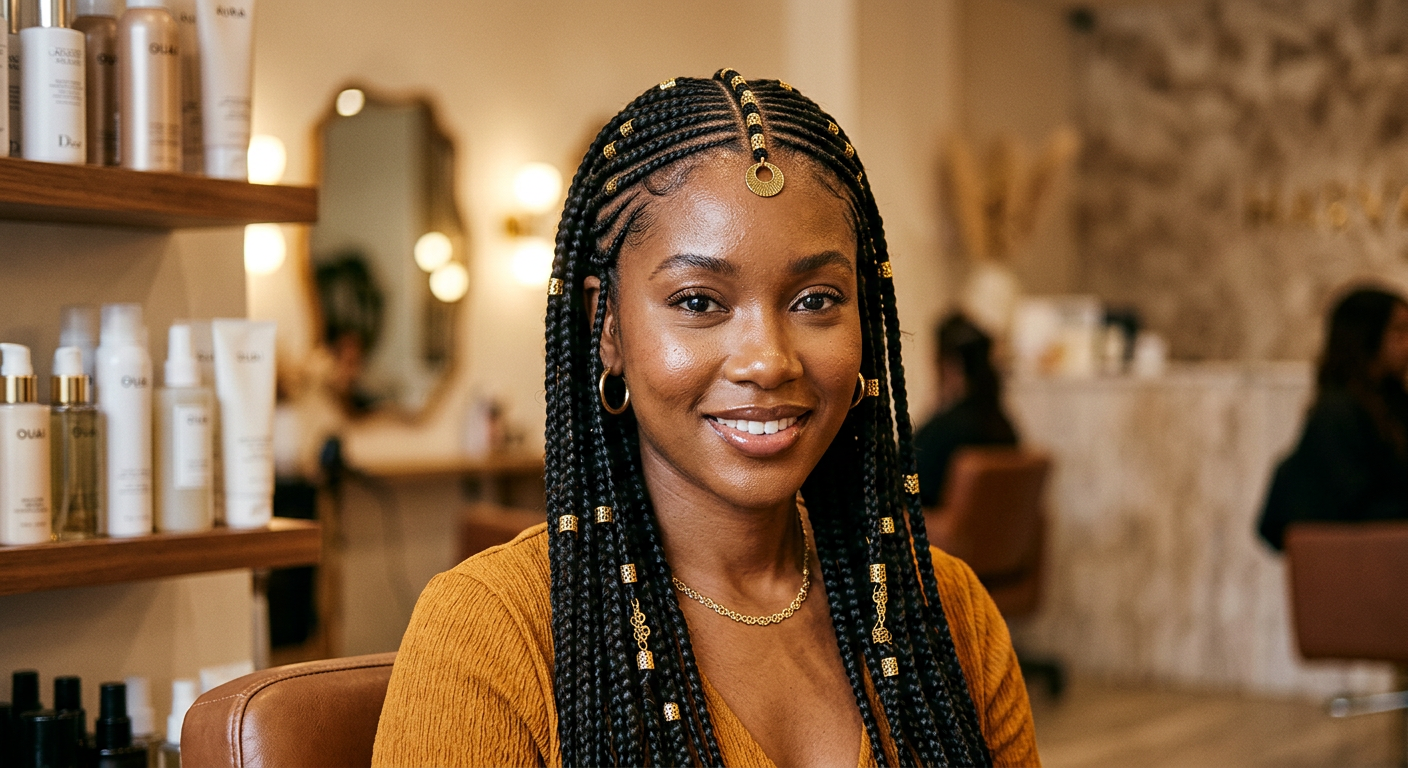
Fulani braids — sometimes called "tribal braids" — originated with the Fulani people, a West African ethnic group whose communities span Senegal, Mali, Niger, Nigeria, and beyond. For centuries, the style has signaled identity, status, and stage of life through specific patterns, beadwork, and adornments.
The signature
The traditional Fulani look is built around a single braid running down the center of the head, with cornrows on the sides and longer braids framing the face. Beads, cowrie shells, and metal cuffs are woven in deliberately — historically, the choice of adornment communicated marital status, family lineage, and even wealth.
Why it matters
Wearing Fulani braids today is a celebration of that heritage. It is not a costume. The style has been worn by Black women across the diaspora for generations as a connection to ancestral roots — and increasingly by women of all backgrounds who want to honor the artistry behind it.
“Every bead has a reason. Every part has a meaning. We just listen for which ones are yours.”
How we approach it at the atelier
When you book Fulani braids with us, we begin with a conversation about the adornments that resonate with you. Some guests want the classic gold cuffs; others bring their own beads with personal meaning. We talk about the center braid placement, the side cornrow patterns, and how much of the face you want to frame.
Wearing it well
Fulani braids reward gentle handling. The decorative beads and cuffs add weight, so a satin scarf at night is non-negotiable. Refresh the cornrows every three to four weeks if you want the architectural look to stay crisp; the longer braids can wear comfortably for six.
If you've been considering this style, come in for a consultation. The story you carry in your hair is worth telling carefully.
The Ritual
The Adornment Conversation
Cowrie shells
Historically symbols of prosperity and feminine power
Gold cuffs
Mark celebration, milestones, and self-honoring
Glass beads
Often chosen by color for protection or intention
Personal pieces
Bring heirlooms — we'll braid them in with care
From the Chair
“Fulani is the appointment I take the most time with. We talk first — about lineage, about meaning, about why now. Then we braid. The hair carries the conversation outward.”
— Luna · Co-Founder
Common Questions
While we're on the subject…
Is it appropriate for me to wear Fulani braids?+
Wearing them with knowledge, intention, and respect is welcomed by most of the community. Wearing them as a costume — without understanding — is what causes harm. Come ready to learn the story.
How heavy do the beads get?+
Surprisingly light, but they add subtle weight at the ends. We'll balance the bead distribution so it doesn't pull on any one section.
Can I customize the part patterns?+
Absolutely. The traditional center part is the signature, but the side cornrow geometry is where personal expression happens.
In Other Words
A small glossary
- Cowrie
- A small, glossy seashell historically used as currency and adornment across West Africa.
- Feed-in
- A braiding technique that gradually adds extension hair for a flat, natural-looking root.
- Center braid
- The signature single braid down the middle of the head — the heart of the Fulani silhouette.
Read Next
Chosen for you, based on this piece
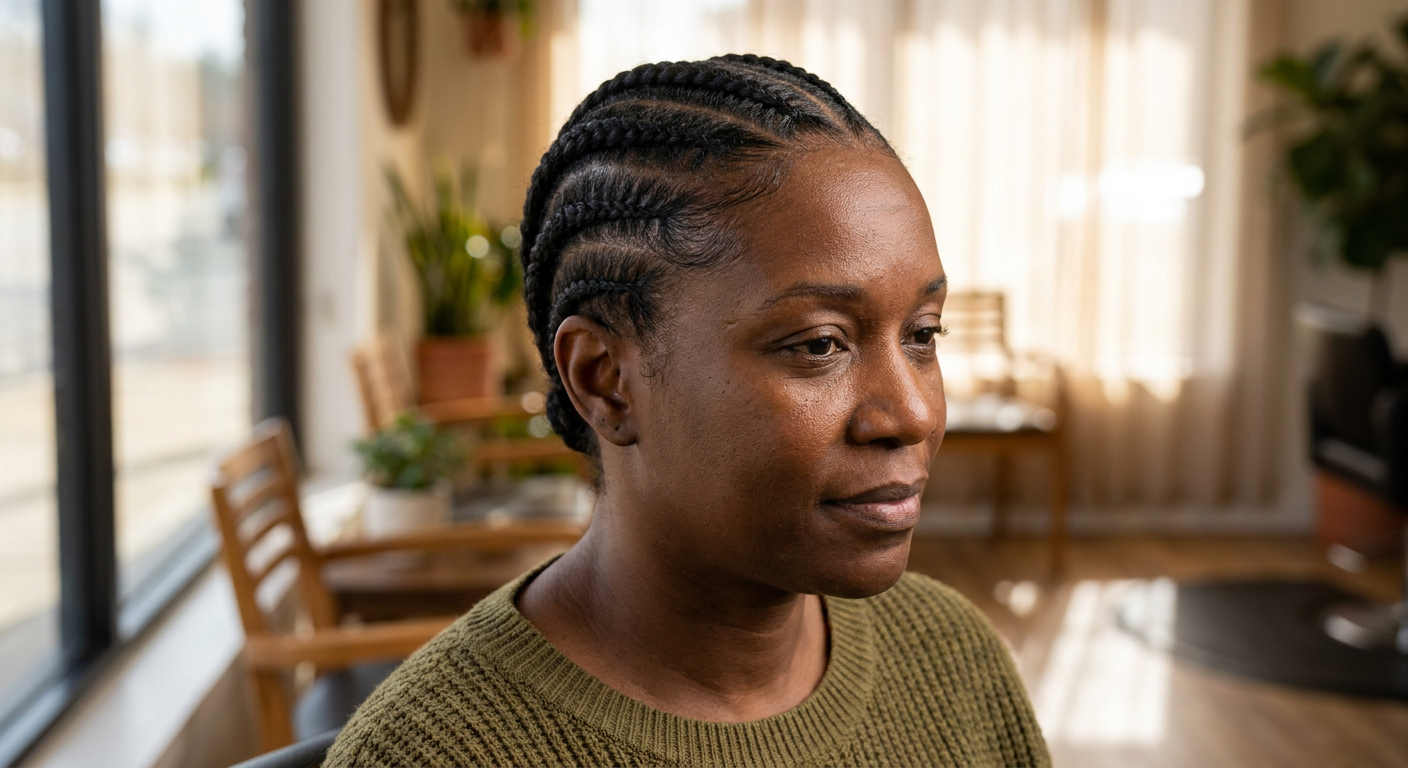
Cornrows: From Foundation to Couture
The original protective style — and the foundation of nearly every braided look you love.
Read →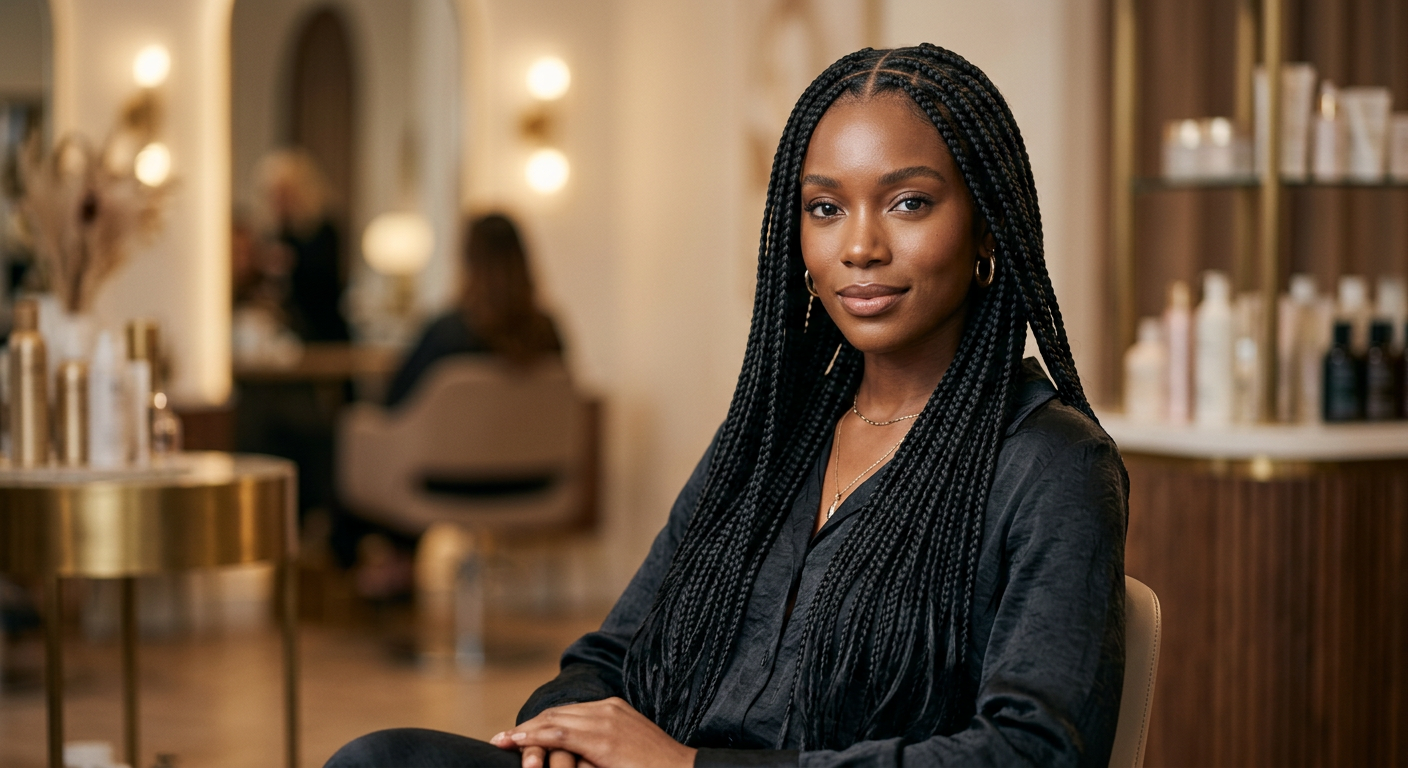
Box Braids vs Knotless: Which Should You Choose?
Both are beautiful. The right choice depends on your scalp, your wear time, and the silhouette you're after.
Read →
What to Bring to Your First Appointment at Astrid & Luna
A short, considered list — and a few things to leave at home — for a first visit that feels effortless.
Read →